
Wooden Churches / 2022-2023
Documenting the Wooden Churches of Romania
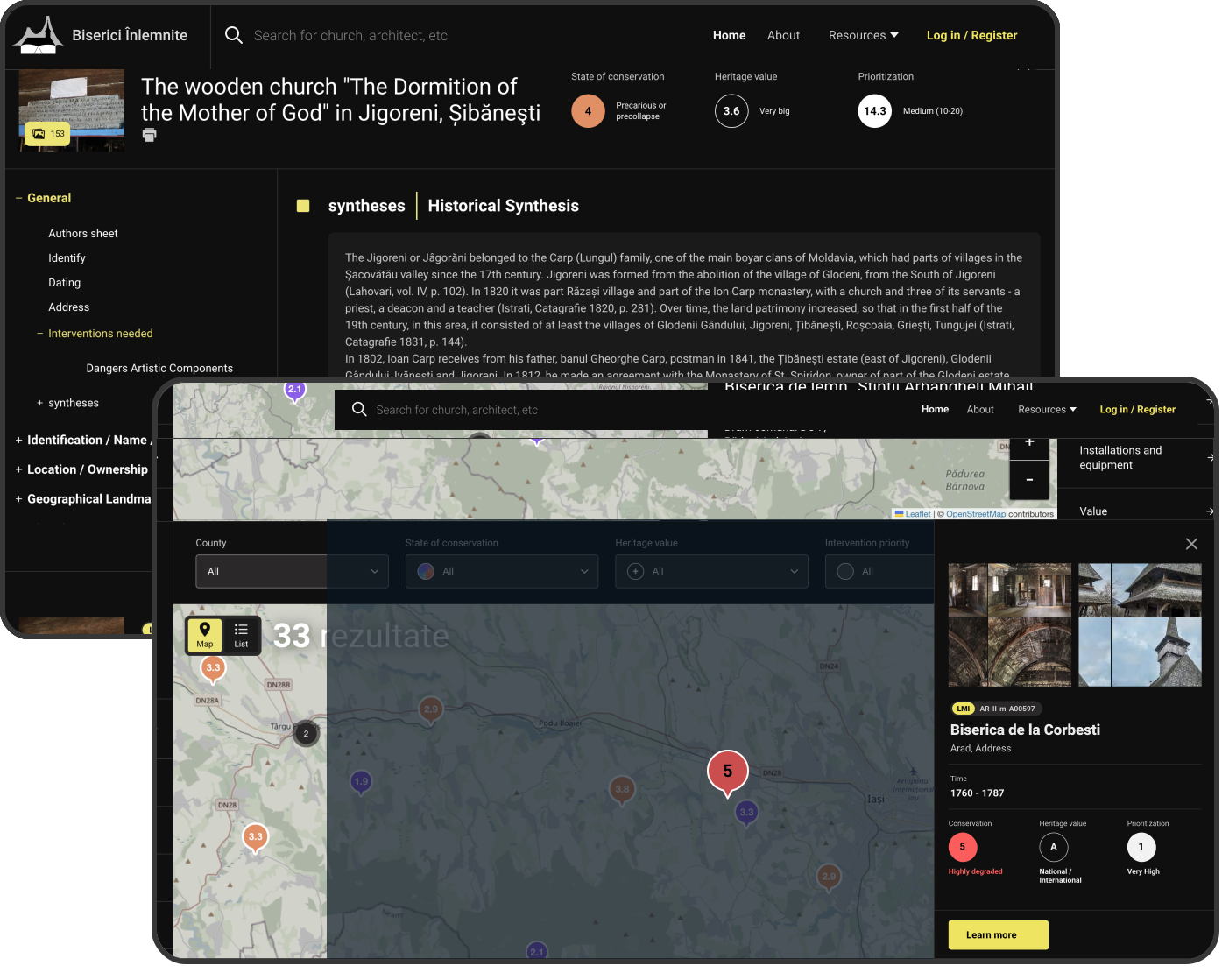
Romania’s wooden churches face rapid deterioration, but without structured data, preservation can’t be prioritized. We supported the team of architects who initiated the project in securing funding from the Romanian Cultural Fund, then built a platform to enable field documentation, making data easy to collect, navigate, and use to prioritize intervention.

Goal
Design and develop a platform that documents Romania’s wooden churches, in order to help prioritize restoration efforts based cultural, architectural and historical significance and current level of deterioration.

Role
Collaborated with stakeholders to define needs, prioritize features, and shape specs—while designing the user interfaces and ensuring a lean, cost-effective solution with the Product Owner.

Team Setup
Worked as a Product Trio with a backend and frontend engineer, collaborating closely with field architects. We also engaged heritage consultants and future users, as the project was funded by the Romanian Cultural Fund.
Discovery
The problem
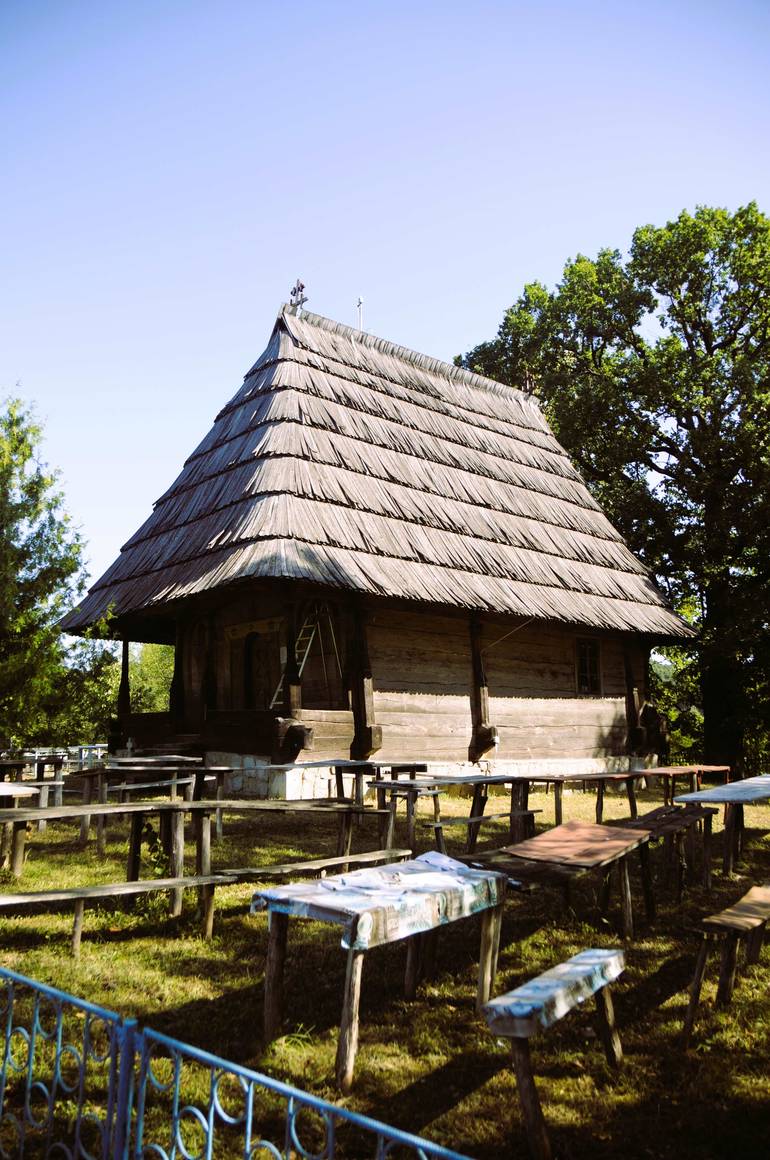
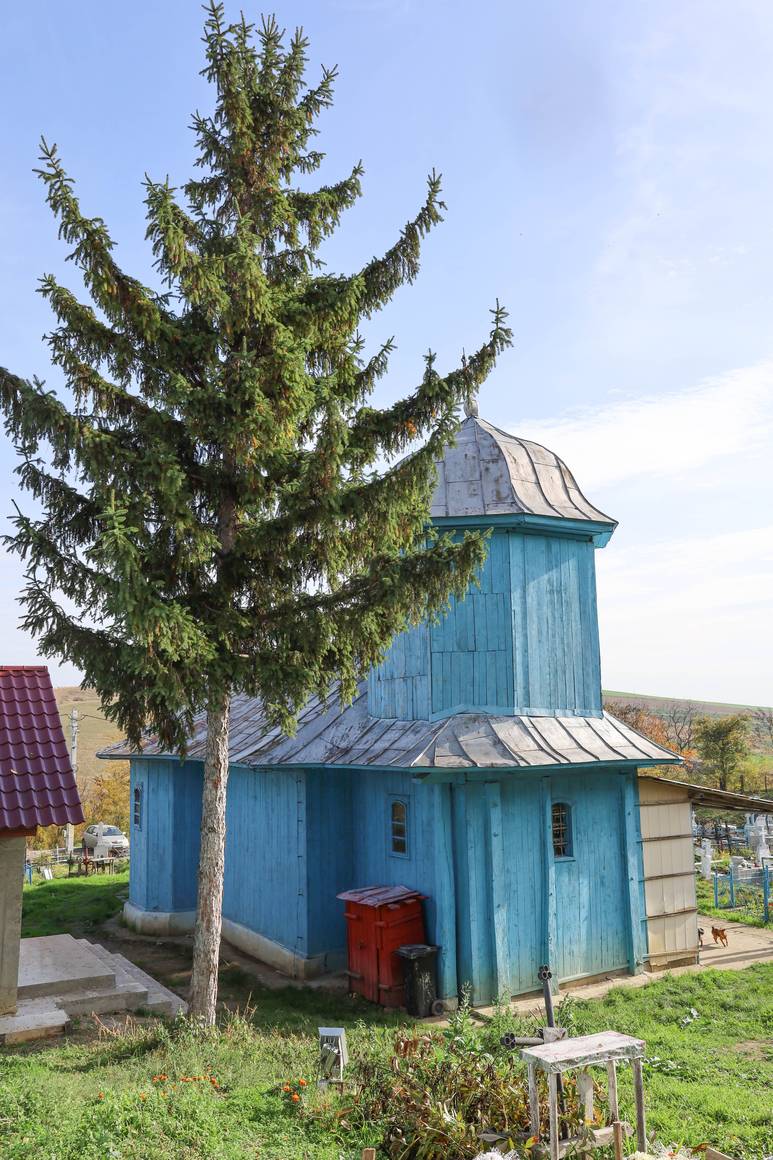
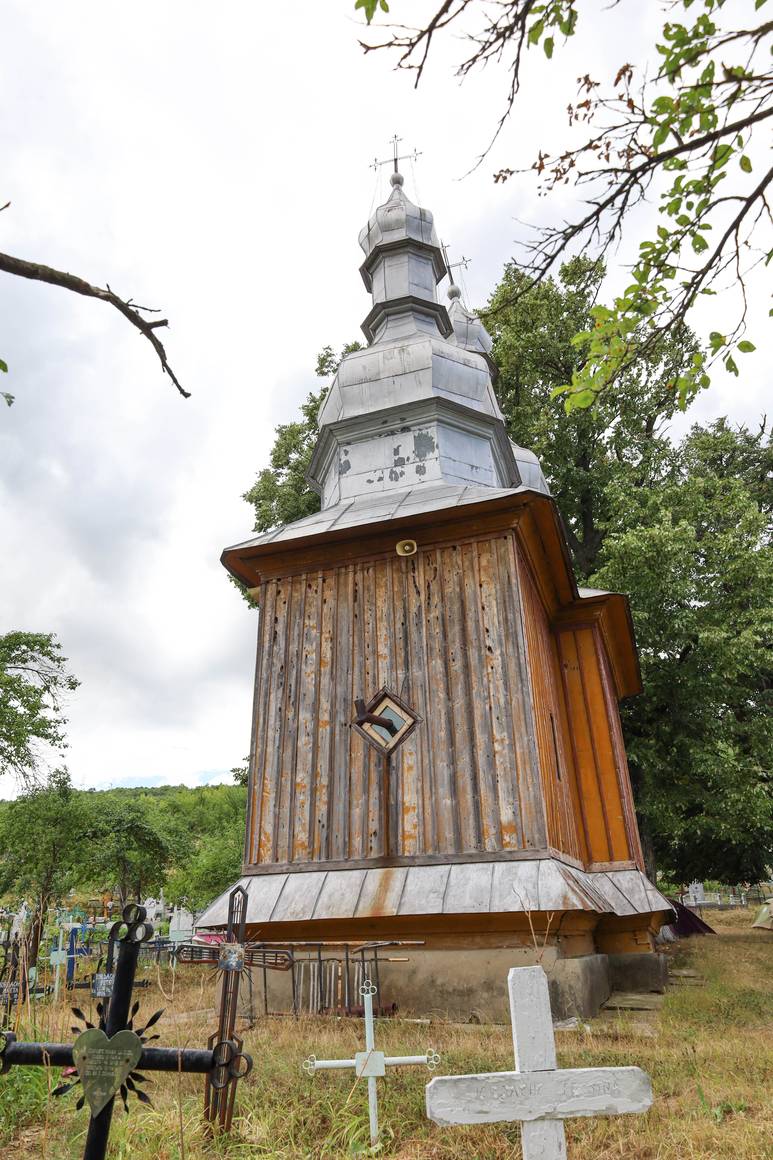
Deteriorating heritage: Romania’s wooden churches lack the documentaton needed for preservation.
Romania has over 1,400 historic wooden churches, many of which are rapidly deteriorating. A major challenge is the lack of accurate, centralized data on how many exist, their state of preservation, and their cultural or historical value. Without this information, the scale of the problem is underestimated, and it's impossible to develop a national strategy for preservation based on clear intervention priorities.
Opportunity
Build an inventory and documentation platform to help prioritize interventions based on each church’s condition and cultural value.
The architects behind The Wooden Churches Association set out to create a platform for documenting detailed information about Romania’s wooden churches. Its core purpose was to help prioritize intervention efforts based on each church’s cultural significance and state of deterioration—critical for guiding restoration and securing funding.
Documentation process
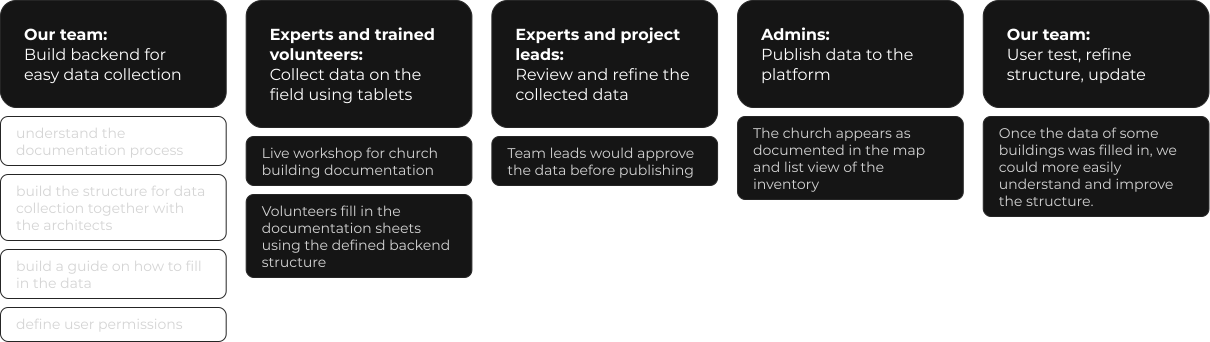
We built a backend that mirrored the frontend to ensure a consistent, intuitive experience for architects documenting churches in the field. By closely studying their workflow, we designed a structure that was both technically sound and easy to use on tablets.
Design&
Development
Structuring complex data
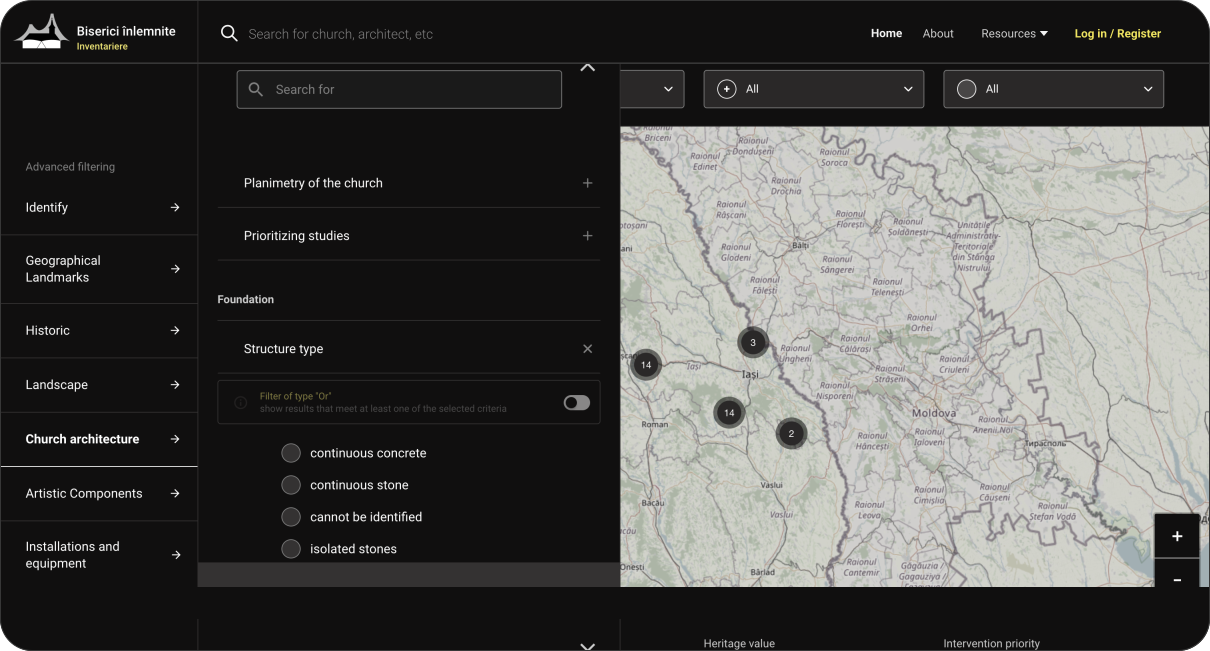
Probably the biggest challenge of the project was structuring the highly detailed information that volunteers collected in the field. Throughout the documentation process, we gathered continuous feedback and iteratively refined the database structure—ensuring it supported advanced filters so users could intuitively navigate the platform.
It was essential to capture not only architectural elements, but also interior paintings, liturgical objects, and any information about the original creators, builders, or painters. This level of detail was critical to preserving the full historical and cultural value of each church.
Provide an easy overview of the state of preservation
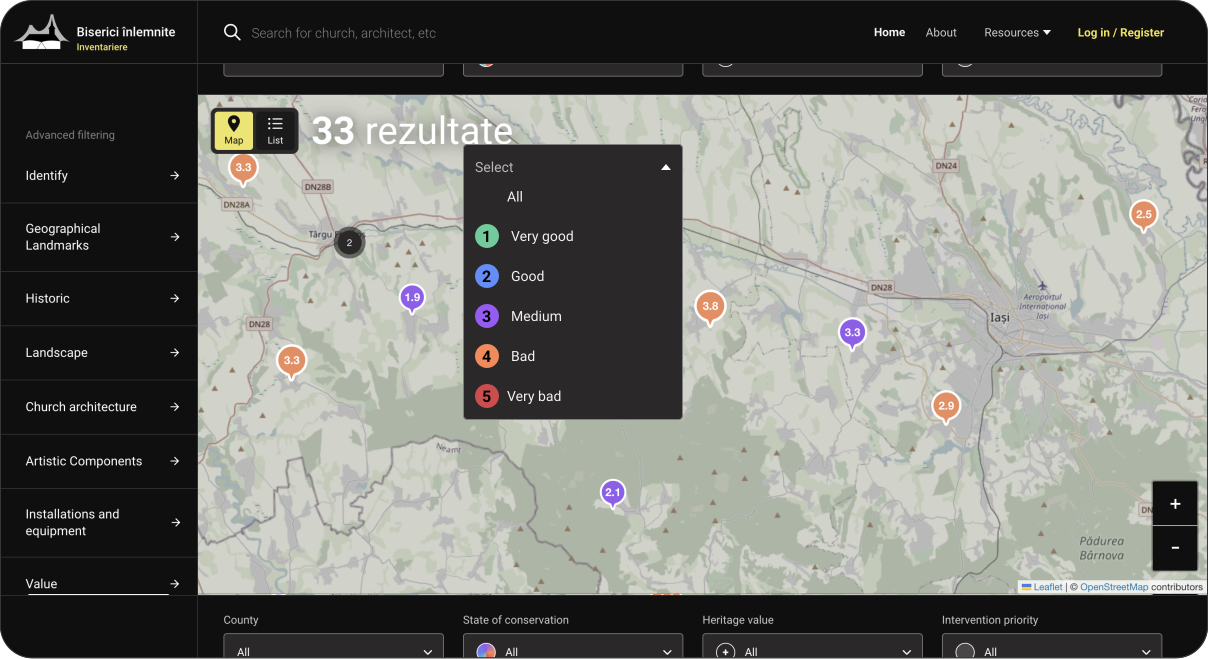
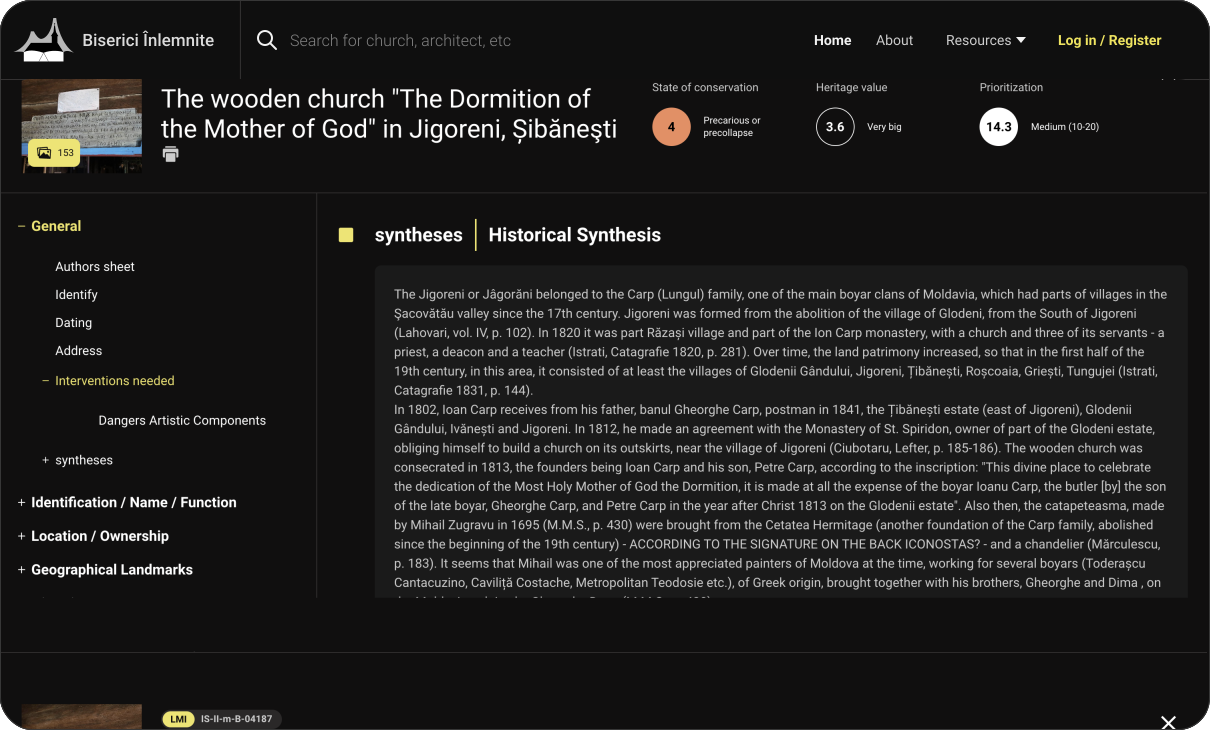
Together with subject matter experts we defined formulas to rate the state of preservation and the heritage value of each documented church. Based on these ratings the heritage organisation can push for a prioritised intervention to save specific endangered buildings.
Creating an intuitive browsing experience
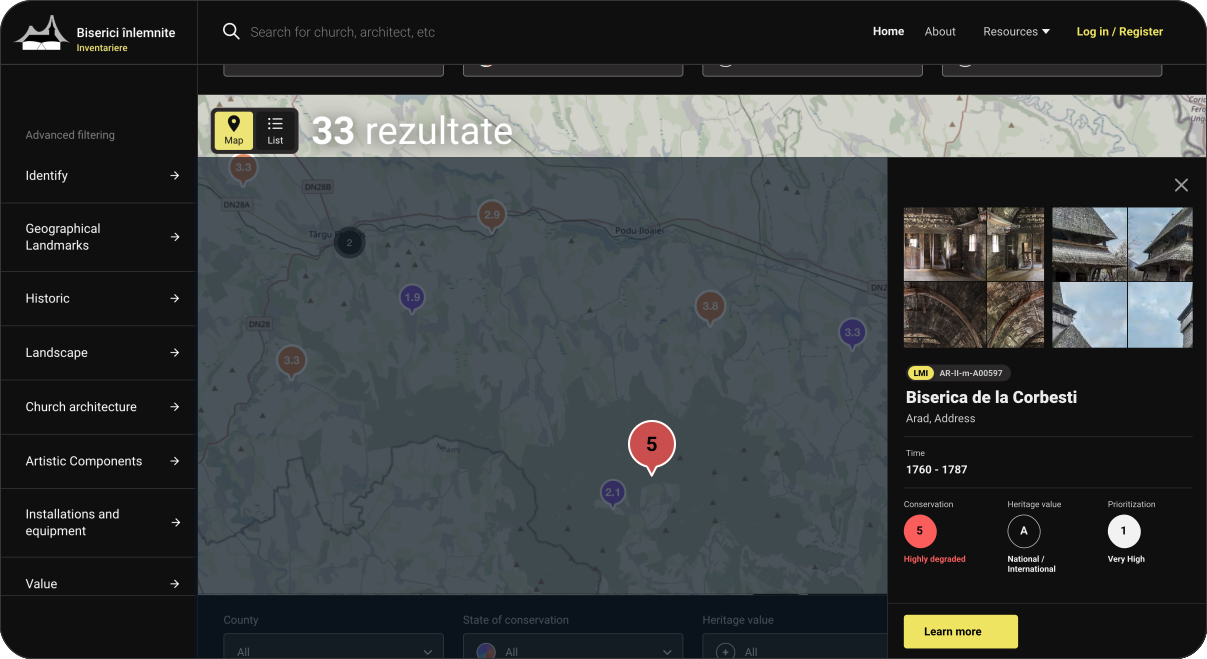
We designed an intuitive way to preview each church’s details, with a dedicated detail page featuring a structured tree navigation system. This helped users easily explore specific information—ranging from architectural elements to interior paintings, objects, and contributor details—without being overwhelmed.
The structure of the detail page also mirrored the filters available on the map view, ensuring consistency and making it easier for users to locate and cross-reference data.
Outcomes
As a publicly funded project, we worked under a tight delivery deadline—but released on time, enabling the first volunteers to begin data collection in the field. Based on early feedback, we made improvements, and the association secured a second round of funding to continue development. Today, the platform is actively used as intended, supporting the preservation of nationally and internationally significant heritage.
See the website and platform

Drop me a line or follow me on: